Nostell Priory…part 1 (National Trust)
Location -Nostell Priory, Doncaster Road, Nostell near Wakefield, West Yorkshire, WF4 1QE - (what3words location)
Distance (around) - varying depending on track
Accessibility at a glance:
Access: ⭐⭐⭐
Dog friendliness: ⭐⭐⭐
Facilities: ⭐⭐⭐
Enjoyment: ⭐⭐⭐⭐
More in depth:
Parking and entrance:
Large main car park plus a designated disabled car park close to the entrance.
Payment machines can be difficult to reach
Blue Badge holders do not need to pay.
Paths and distance:
Mostly solid, well-maintained paths (a mixture of tarmac and compacted sandy surfaces). Suitable for wheelchairs, mobility scooters, and strollers.
The walk to the Obelisk includes a steady but manageable incline.
Gates on the route are operable for many mobility users, but assistance may still be helpful depending on strength and device.
Paths generally remain firm, even in rain, though fields may become soft.
Some paths are shared with cyclists, but users are typically polite and aware of accessibility needs.
Certain areas may contain cows, and sections use electric fencing, take caution with mobility devices and dogs.
Facilities
Accessible toilets available near the courtyard and café.
Dogs are welcome inside the café. There is an outdoor water tap for refilling dog bowls.
The house and formal gardens do not allow dogs.
Nostell Priory will always hold a special place in my heart. I lived on the grounds of the estate for seven years with Betty, tucked away in a static caravan on the grounds. In many ways, this is where our journey truly began! Returning now as a visitor feels both nostalgic and refreshing, and I’m always impressed with how accessible and welcoming the estate remains.
This review focuses on the dog-friendly areas of Nostell Priory, which include the parkland, courtyard, stables and café. The formal gardens and the house itself are not dog-friendly, so plan accordingly. Further review to come.
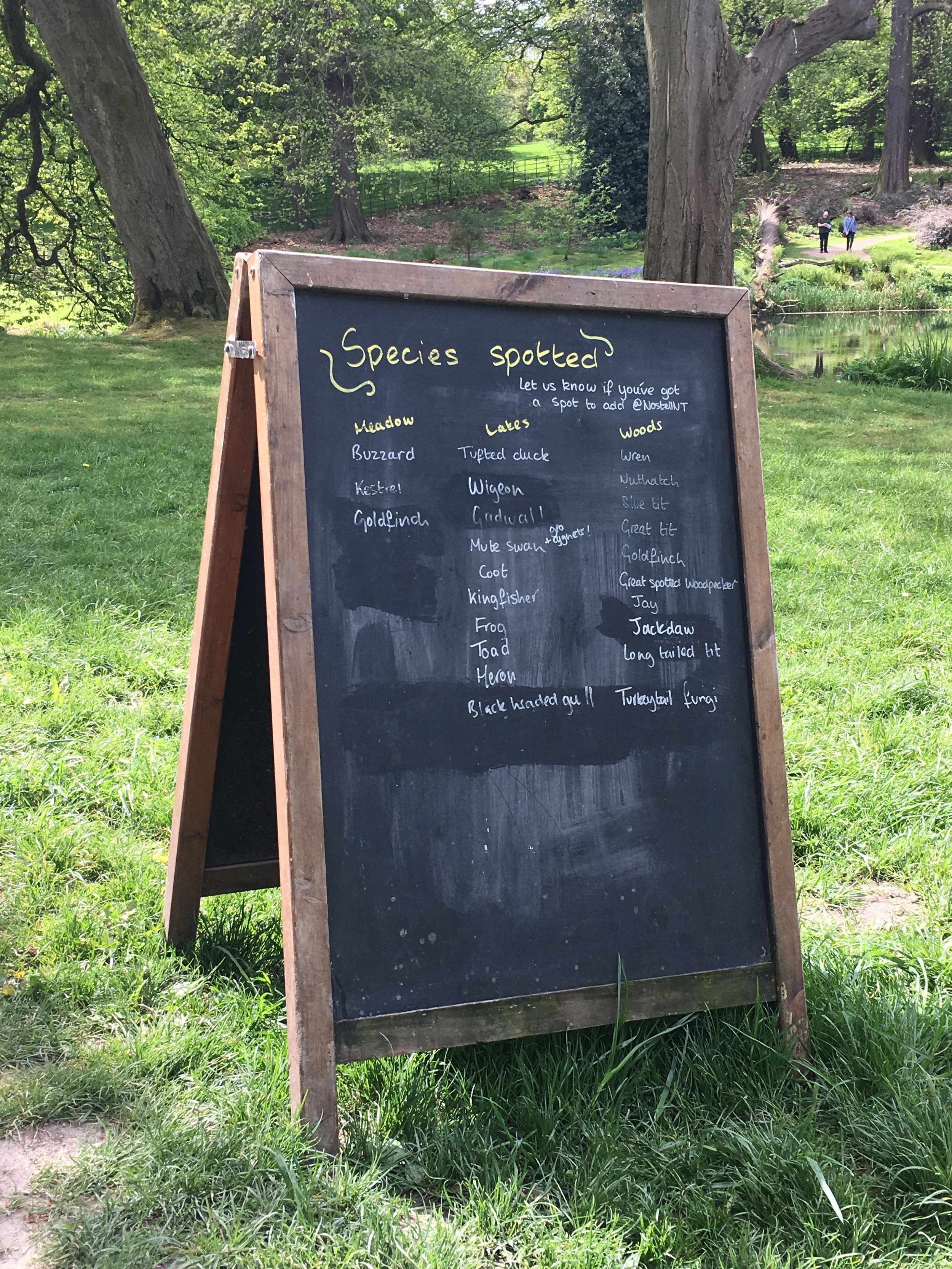
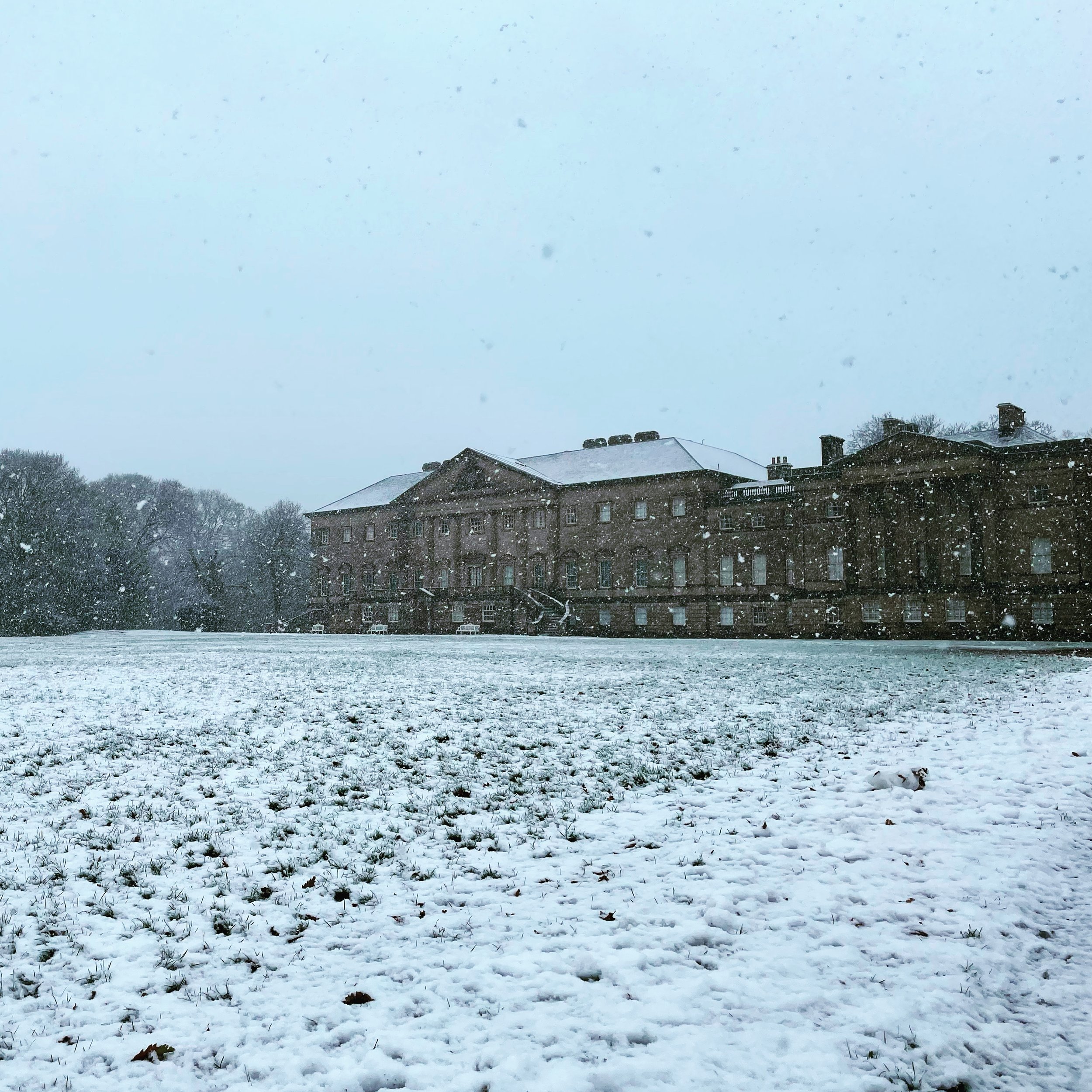
Located in West Yorkshire and managed by the National Trust, Nostell Priory was originally created by the Winn family in the 18th century. The estate spans around 300 acres of woodland, meadows, lakes, cycle paths, and open fields. It’s rich in wildlife and full of character, offering a variety of routes for walkers, cyclists, and families.
There is a large carpark at the main entrance, but this is quite a distance from the main house, there is a buggy available for those with difficulty walking but it doesn’t accommodate a mobility scooter. There is some accessible parking down past the church, but this is quite limited. After parking (on both occasions), the entrances lead you directly onto solid, dependable pathways. Even after rain, the surfaces remain manageable.
One of my favourite routes is the walk from the entrance to the Obelisk, a gentle two-mile round trip. The path gradually inclines across open fields but stays even and steady throughout. Cyclists share parts of this route, but in my experience, everyone is courteous and aware of shared-use etiquette.
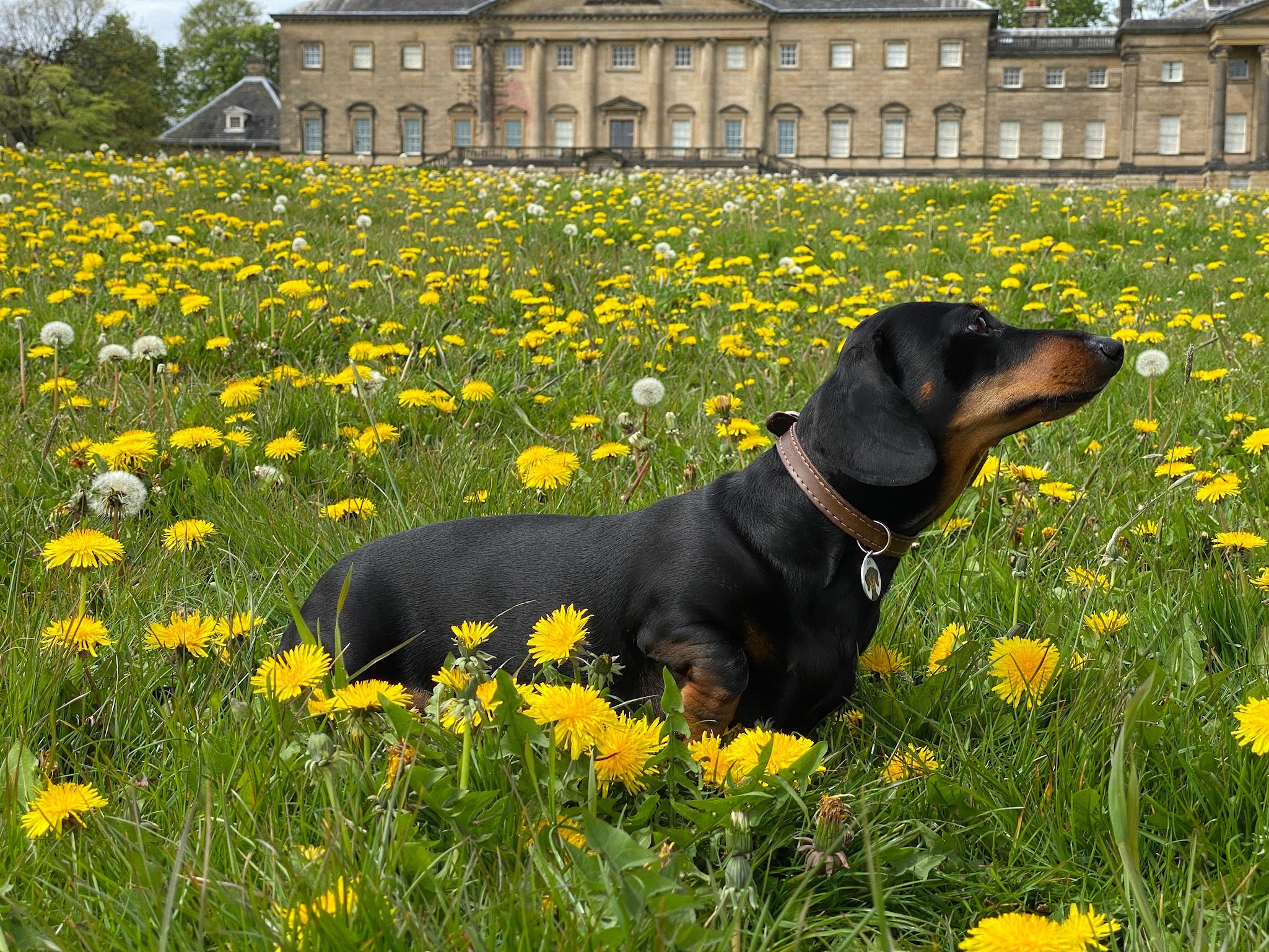
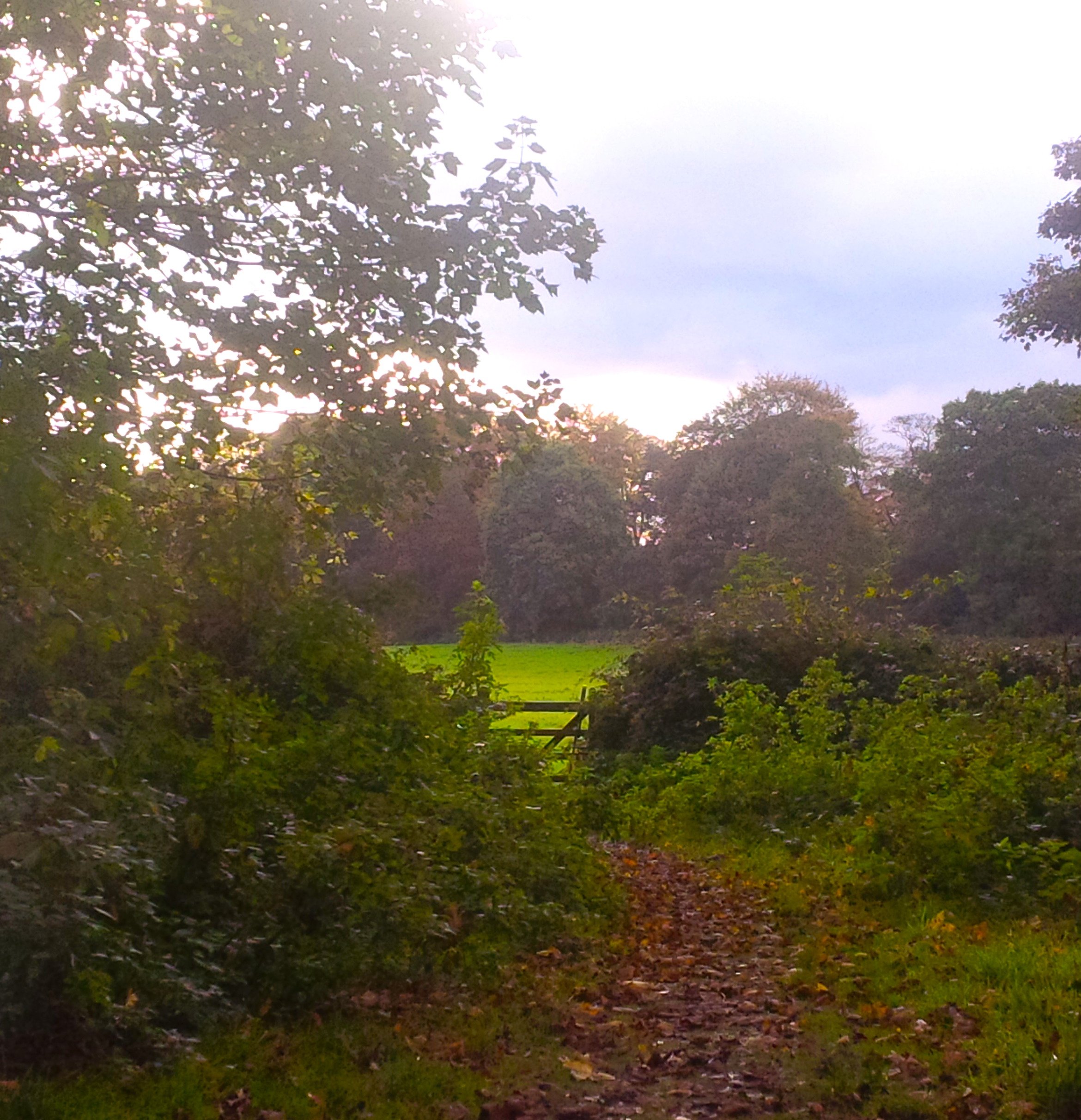
As you make your way uphill, the grand façade of the house appears on your left, with sweeping fields stretching to your right. This is usually a popular spot for letting dogs off lead, provided cows aren’t present. Betty has always loved this bit, plenty of space to run and sniff while we take in the scenery.
Next, you pass a small wooded area. Occasionally cows graze here, so check for any livestock before letting dogs roam. There’s also an electric fence along part of this section, worth keeping an eye on!
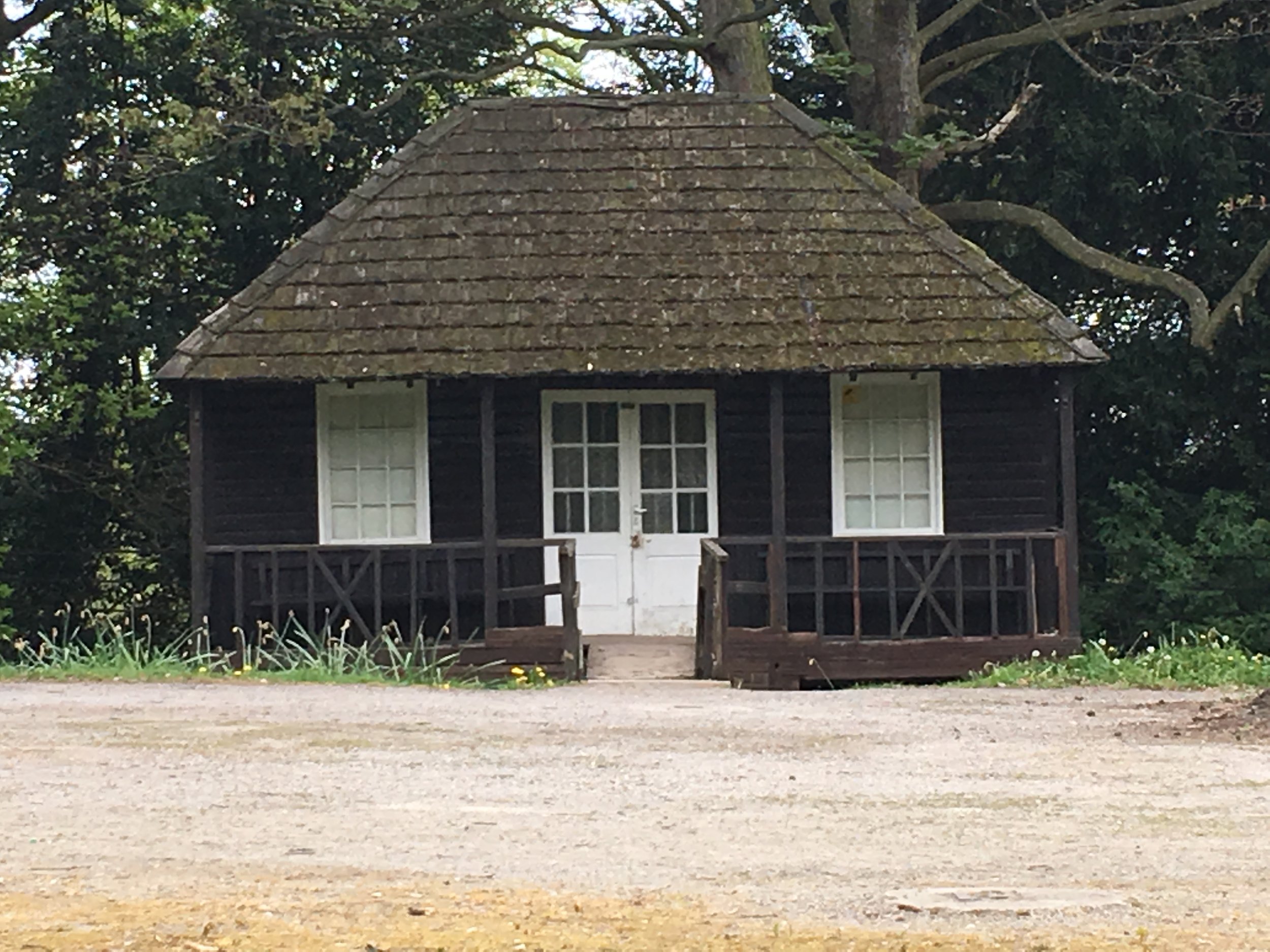
A little further on is one of my favourite hidden corners: a quaint old outbuilding that always sparks the imagination. I often pause here, wondering what life might have been like when the estate was fully operational centuries ago.
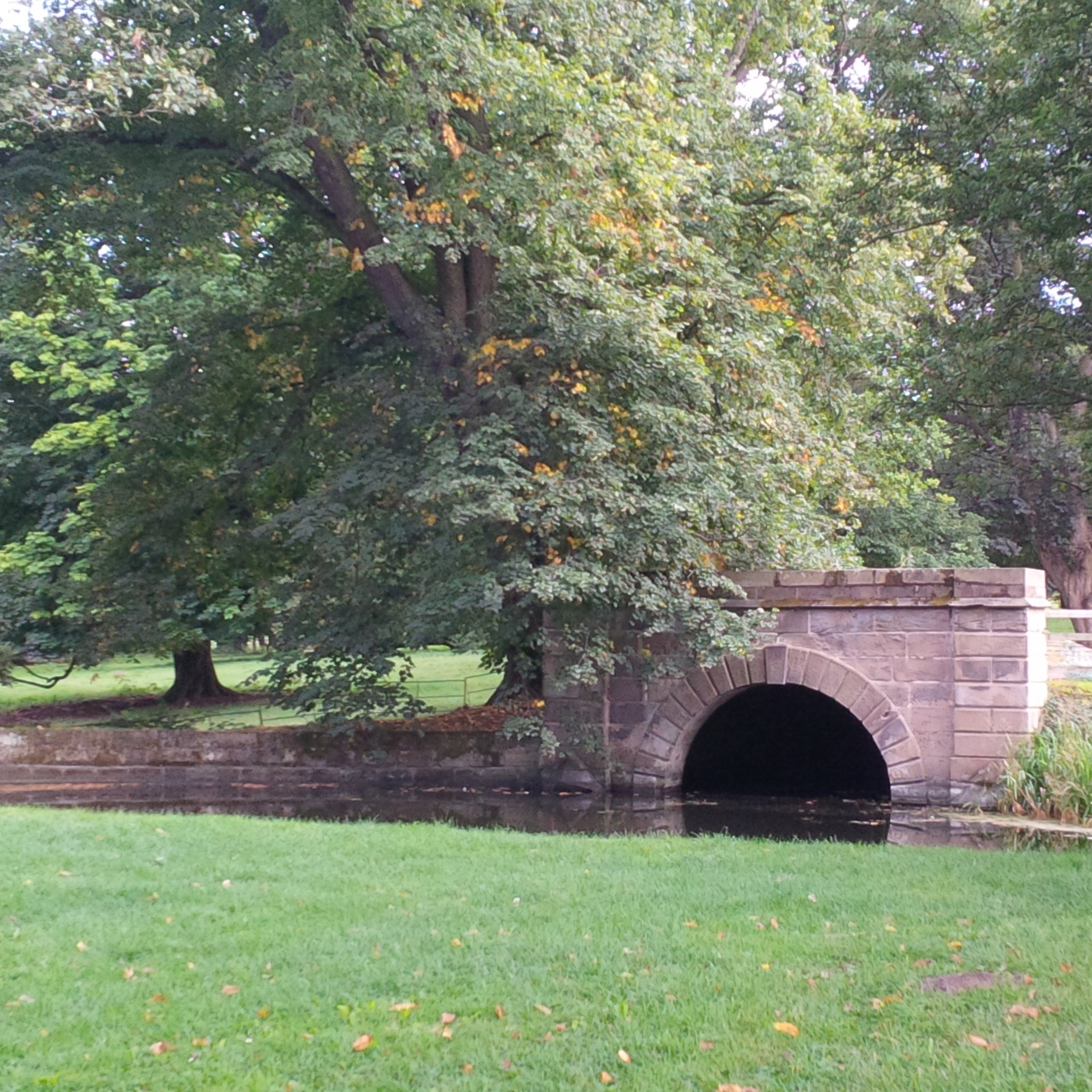
Soon you’ll reach a charming boathouse and bridge. This marks the start of the lake area, which is home to swans, geese, and nesting birds in spring. Dogs should be kept on lead here for their safety and for wildlife protection. You can take a walk through the woodland, which comes to my favourite part of any walk, where you can sit in the quiet of nature, just watching the ducks and swans casually pass by. The ground here is wood chipping and when freshly laid is a little tricky, but it’s always been manageable.
Beyond the lake, a gate leads into another expansive field, the gate is manageable for many mobility users, though take your time if using a scooter or wheelchair. This field, too, sometimes contains cows, but when it’s empty, it’s a lovely lead-free space for dogs to enjoy.
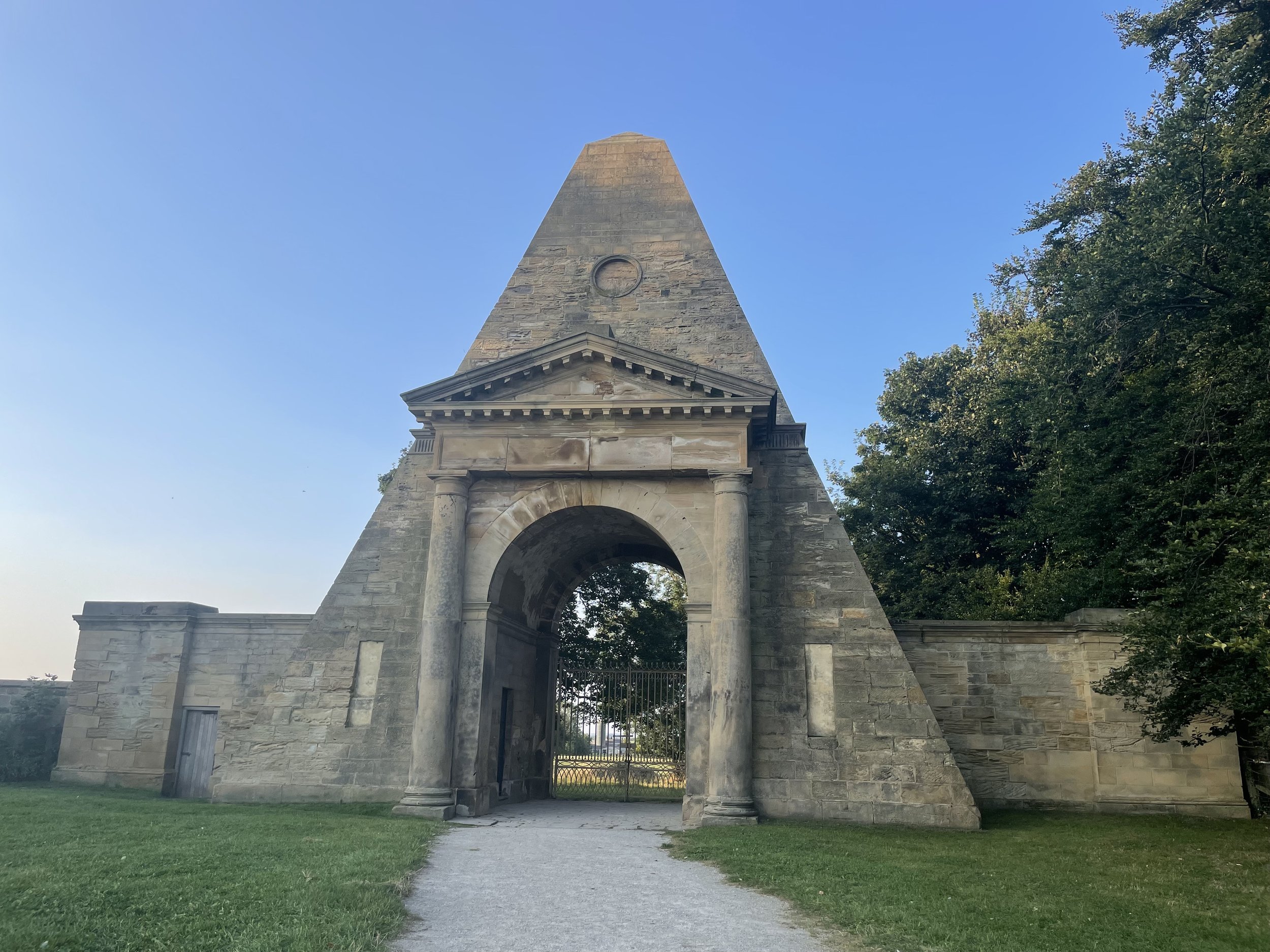
At the top of the incline stands the Obelisk, once the original gatehouse to the estate. It includes information boards offering a glimpse into the lives of the workers who maintained the grounds centuries ago. The views from here are well worth the effort, and it’s a great place to capture some photos before looping back.
For the return journey, you can retrace your steps or cut back across the field, depending on your mobility needs and ground conditions. Both routes are enjoyable and dog-friendly.
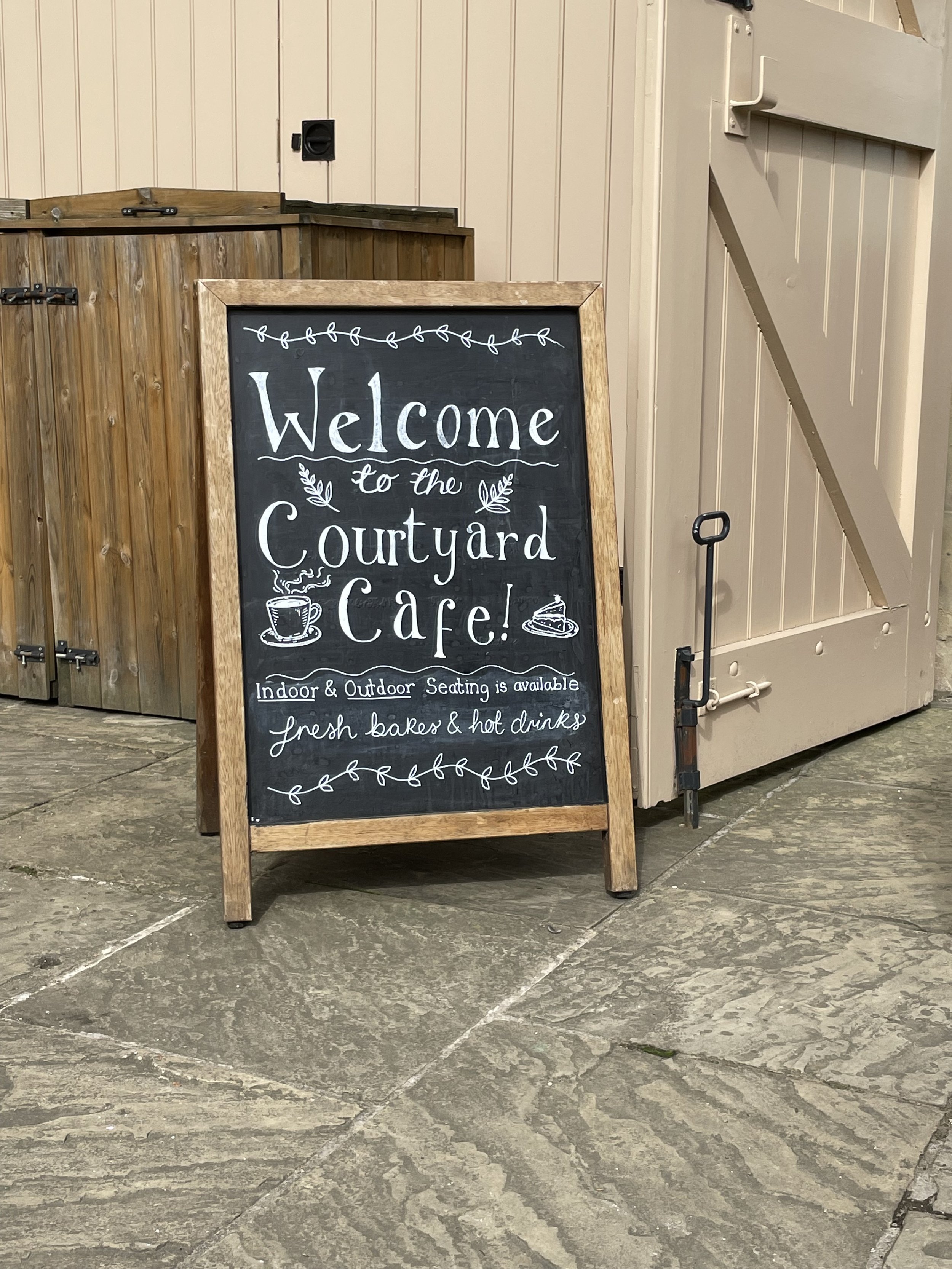
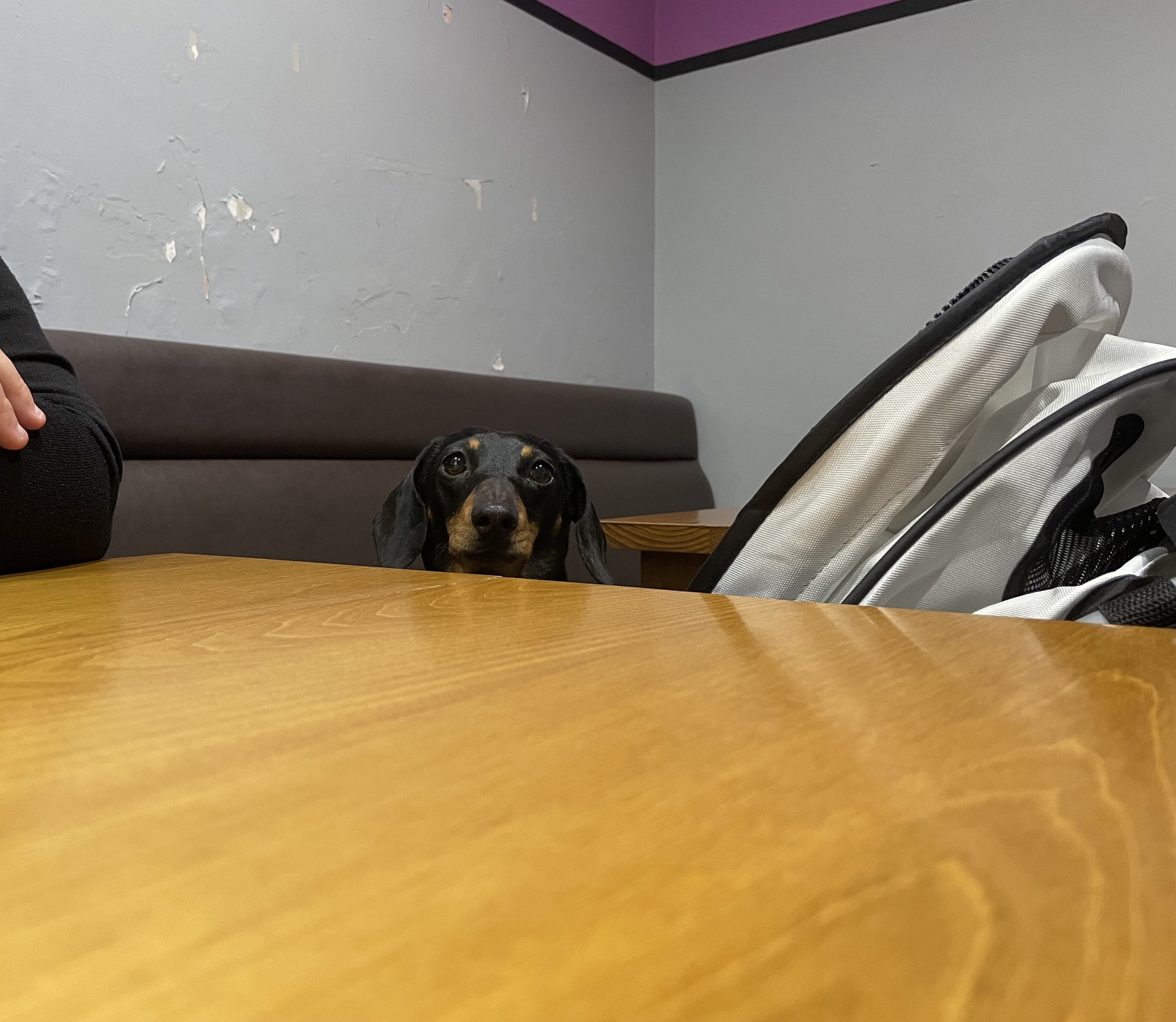
Back at the courtyard, I highly recommend a visit to the café. The tea and scones are favourites, and the atmosphere is warm and calm. Dogs are now welcomed inside, which makes a huge difference on wet or cold days. Although they don’t offer dog treats yet, there’s a handy water tap outside for refills.
While you’re in the courtyard, take a few minutes to wander around the stables and surrounding outbuildings—they’re full of character and history.
The estate offers several additional walks, each varying in length, terrain, and scenery. Some paths are more heavily shared with cyclists, while others are quieter and offer peaceful woodland stretches. You can also pass through the on-site caravan park, which has its own cosy, dog-friendly café, perfect if you’re looking for a longer adventure.
Tip - there is an enclosed dog run area near the main car park.